
Quick Navigation
- Who this guide is for
- What first year psych at MQ is actually like
- Workload & expectations
- Units & skills you’ll use a lot
- How to get ahead before semester starts
- Study tips that actually work
- Free Psych Diaries resources
- FAQ: MQ Psychology
- Final thoughts
Who this guide is for
- Incoming first-year psychology students at Macquarie University
- HSC students looking for guidance while picking their degree
- Anyone curious about the student experience of a psych student at MQ!
What first year psych at MQ is actually like
I still remember my orientation session in the Lotus Theatre. My first impression looking around the fully packed room was: woah… there’s a lot of us.
A year on, I still regularly marvel at the sheer number of peers in my cohort. So I guess the first thing to know about studying psychology at MQ? There are going to be so, so, so many new people to meet. Chances are, every semester will throw you a whole new batch of faces.
Some of the friends I made in my first semester, I genuinely didn’t see again until final exams at the end of the year. And that was maybe one or two.
This might sound intimidating, but don’t worry. There are so many clubs and societies that make it easy to meet people and get connected. Besides, in a degree with lots of group work and a chaotic mix of personalities, sometimes it’s… kind of nice knowing you won’t have to run into the same people every week for the rest of your three-year degree.
Once you get used to feeling like a really small fish in a giant pond, it’s honestly pretty fun.
I’ve found that tutors and lecturers at MQ (at least in psychology) are genuinely passionate teachers, not just researchers. Most of my units have had engaging and unique assessments too, including modern tech like AI and multimedia tools.
I also appreciate the focus on student wellbeing. Admittedly, at times I would rather have been at home instead of learning about mindfulness and stress management (cough cough PSYX1100 Foundations and Futures). HOWEVER… that being said, it’s still good to see content that’s actually focused on the student experience and wellbeing.
Overall, my first year was a flurry of small wins and small mistakes. Cursing statistics and APA formatting. Feeling proud of myself for writing my first complete psychology report. Feeling intimidated by research articles. Watching lectures and going “ohhhh… that’s why I do xyz.”
Hopefully you find it just as rewarding as I did!
Workload & expectations
I mean… there’s the technical expected workload. Which is 40 hours per week for full-time students.
And then there’s reality. Which is… markedly less than that for most of us.
I’m not really a fan of strict “I must study X hours per unit” planning. If that works for you? Go for it. Personally, I found it way more manageable to chunk things down by days and tasks, instead of trying to force myself into a perfect weekly schedule.
You will be expected to have watched the lectures and completed the readings before your tutorial classes… but it’s not like high school. No one will get you in “trouble” if you don’t. You just might have no idea what your tutor is talking about.
That being said, it’s definitely not a bludge. You reap what you put in, and a lot of students forget that getting into honours at MQ is no longer just about getting a minimum WAM of 70.
My advice would be: work hard, but remember quality over quantity. When your other areas of life are filled with a balanced amount of rest, it often reflects well in your academics too.
Units & skills you’ll use a lot
- Concise writing
- Paraphrasing
- Proper referencing
- Reading and breaking down large research papers
- Running statistical tests in STATA
- Critical thinking
- Evaluating scientific claims
How to get ahead before semester starts
Remember what I said about work hard, rest hard? Yeah… I’m not going to tell you to pre-read the whole textbook before stepping on campus. Take it easy. All the prep in the world will not compare to just learning on the go.
You will make mistakes. That’s a good thing.
But if you want to start off on the right foot, here are a few simple things you can do:
- Enrol in your classes
- Read the unit overviews
- Decide on your preferred note-taking system
- Make a rough study schedule once you know your timetable
- Download STATA (if you really want to. You’ll still have time to do this later, and you’ll usually set it up in class anyway)
Study tips that actually work
- Mnemonics: There’s a lot of content, names, and theories to memorise, and memory tricks help so much
- Spaced + repeated revision >>> cramming
- Use the unit learning outcomes to guide your note-taking
- Practice with past papers where possible (or make your own)
- Rewrite your notes using your own personalised examples
- Try to connect each concept to your own experience or memory . tThis helps with recall a LOT
Free Psych Diaries resources
Bookmark these:
- Free Complete Psychology Assessment Notion Planner
- Free Literature Review/ Article Reading Template
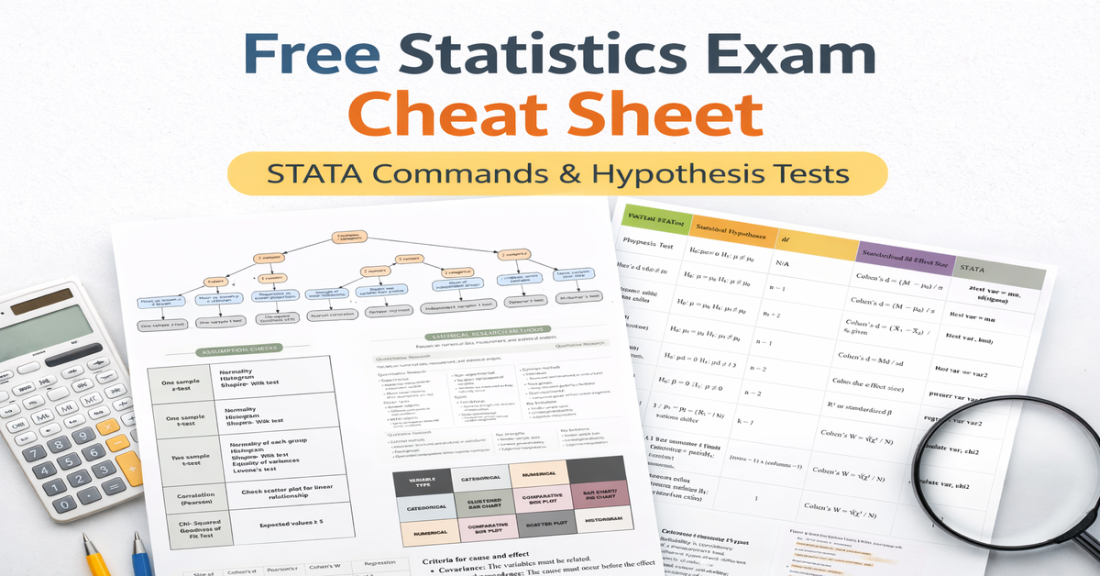
- Free_Statistics_Exam_Cheat_Sheet_
- Free APA 7th Edition Assignment Template (Word)
FAQ: MQ Psychology
Is psychology at Macquarie University hard?
“Hard” is relative. Are there challenging aspects? Of course. Still, compared to my friends in medicine and law… I’ll admit I have the most free time.
Psychology is content-heavy, but the concepts themselves are usually not too hard to grasp. Biopsych, cognitive psych, and stats can be trickier, but once it’s broken down into smaller steps, it makes way more sense.
Do I need maths to do psych at MQ?
I have always hated maths. I will probably always hate it. I did advanced maths in high school and struggled my way through it.
Short answer?
Yes – but not as much as you think.
Maths in psychology shows up mainly in the area of probability and statistics. These days we use programs like STATA to run statistical tests, so no more crying over formulae. If you can do basic maths and understand simple formulas, you’ll be fine.
Is there a lot of writing in first year psych?
Yes.
But if you know you struggle with writing, don’t let that deter you. Seek out writing support and make sure you take on your tutor’s feedback. Writing is genuinely one of those things where you get better fast just by doing it a lot (even though it’s annoying).
How do I study for psych MCQ exams?
Psych MCQs are not “easy” just because they’re multiple choice. They’re usually testing whether you actually understand the concept, not whether you can memorise one definition.
What worked best for me:
- Active recall > rereading notes
- Make mini quizzes for yourself
- Write your own “trick questions”
- Focus on common confusions (e.g., correlation vs causation, reinforcement vs punishment, independent vs paired designs, etc.)
- Keep a list of mistakes you make and review them weekly
If you can explain concepts in simple language, you’re usually in a good place for MCQs.
Can I work part-time while studying psych at MQ?
Yes, a lot of students do.
The trick is being realistic with your time and energy. If you’re working part-time, you’ll need to stay organised and avoid leaving everything until week 12 when suddenly you’re fighting for your life.
My honest advice:
- Aim for a job that doesn’t destroy you emotionally
- Don’t stack your hardest subjects in the same semester if you can avoid it
- Use planners (you already know I’m going to say this)
- Protect at least one “catch-up day” each week
Psych is manageable, but it rewards consistency.
Final thoughts
If you’re starting psychology at MQ soon: you’ll be okay. You’re going to feel confused, overwhelmed, and occasionally humbled by stats and APA… but it genuinely gets easier as you go.
Your first year won’t be perfect, and it doesn’t need to be. The goal is to build momentum, build skills, and slowly start seeing the bigger picture of how psychology fits together.
And if you ever feel behind or unsure what you’re doing… welcome. That’s literally the psych student experience.
Good luck!
You’ve got this.
 The Psych Diaries
Leave a comment